


- Could a Shingles Vaccine Protect Your Brain? The Evidence Is Getting Hard to Ignore
 by Hussein Yassine on December 8, 2025 at 4:12 am
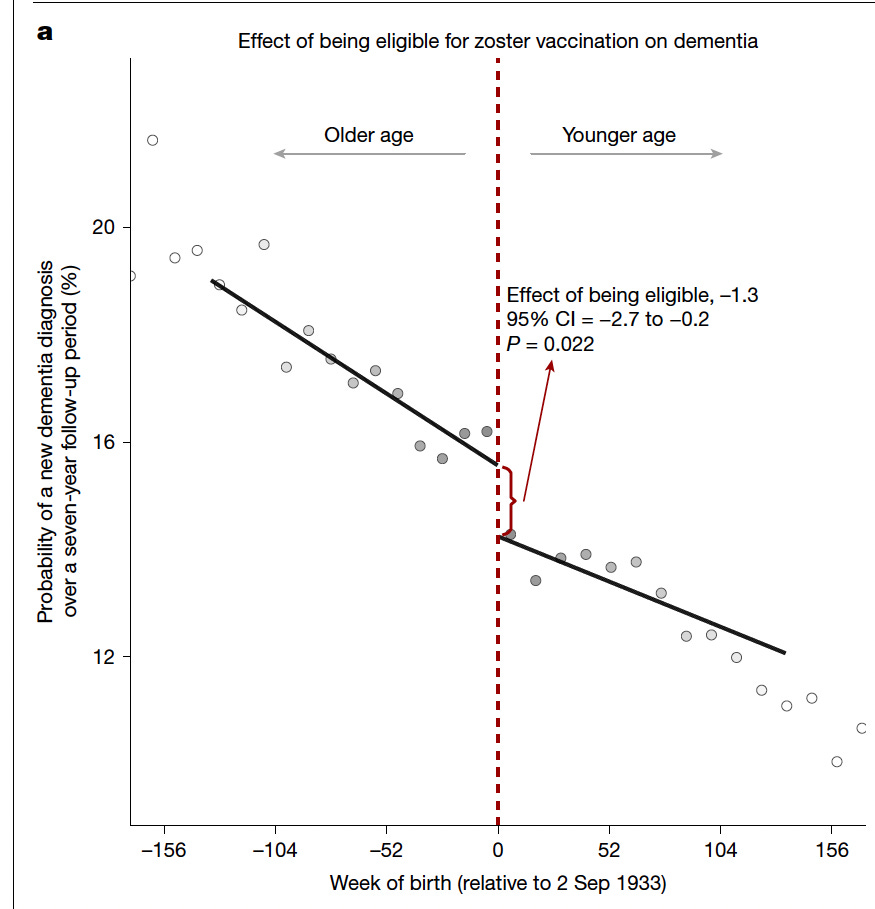
This story starts with a simple but powerful idea: the brain’s immune cells can burn out. In Alzheimer’s disease, the main cleanup crew—microglia—spend years immersed in low-grade inflammation, constantly responding to molecular danger signals instead of performing their usual maintenance work, such as clearing misfolded proteins or digesting amyloid-beta.
- Semaglutide trial failures in Alzheimer's: missed opportunities to test the metabolic hypothesis of AD
 by Hussein Yassine on December 1, 2025 at 1:07 am
For almost a decade, scientists have been intrigued by the possibility that Alzheimer’s disease might be, at least in part, a disorder of brain energy failure. The brain runs on glucose, and many early features of Alzheimer’s—reduced glucose uptake, impaired blood–brain barrier transport, neuroinflammation, and synaptic dysfunction—look like a prolonged energy crisis. That’s why GLP-1 receptor agonists such as semaglutide (Ozempic) drew such intense interest: in animal models and early human studies, GLP-1 drugs improved glucose transport into the brain, protected the blood–brain barrier, reduced inflammation, and enhanced neuronal metabolism. Mechanistically, they are one of the most biologically anti-aging drug classes to be tested in Alzheimer’s.
- High dose omega-3s in end stage renal disease: what do we learn from the PISCES trial?
 by Hussein Yassine on November 29, 2025 at 2:51 am
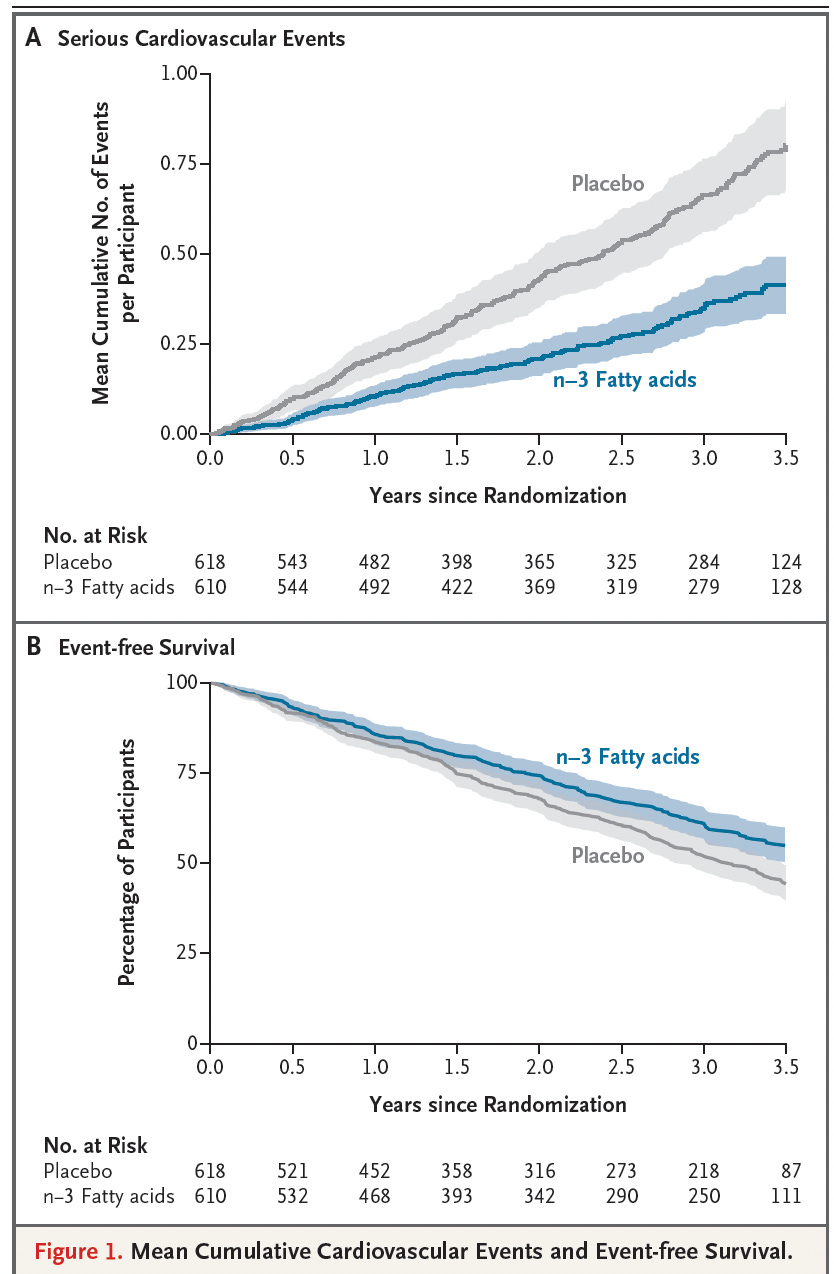
In the PISCES trial, 1,228 adults on long-term hemodialysis in Canada and Australia were randomized to receive either 4 grams per day of fish oil (1.6 g EPA + 0.8 g DHA) or a corn-oil placebo for 3.5 years. The primary endpoint—a composite of cardiac death, nonfatal myocardial infarction, stroke, and peripheral vascular disease requiring amputation—occurred far less often in the fish-oil group. The rate of serious cardiovascular events was
- ApoE directed Therapeutics in Alzheimer's disease, SFN 2025
 by Hussein Yassine on November 16, 2025 at 4:22 am
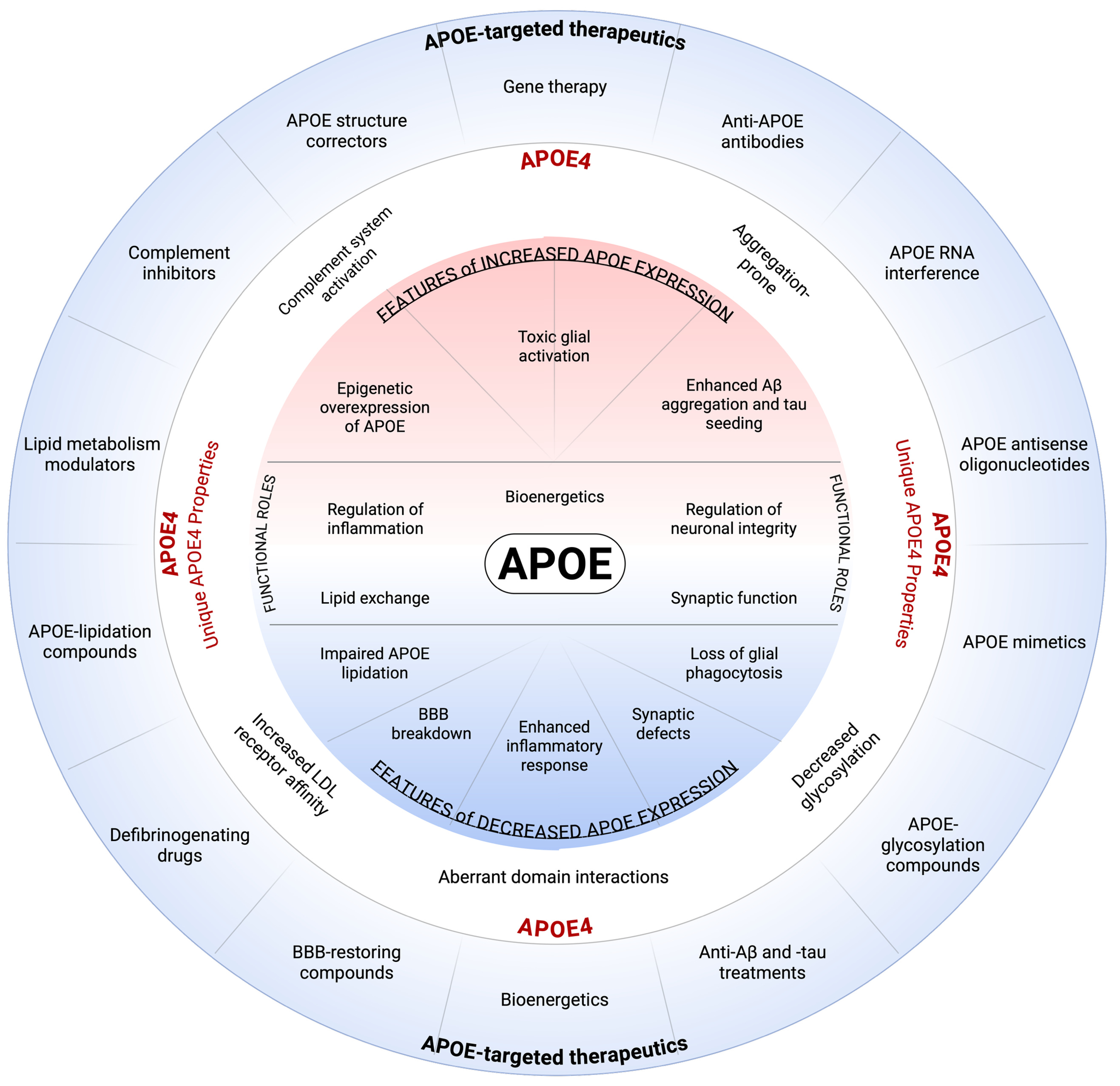
Alzheimer’s disease has historically been viewed through the lens of amyloid plaques and tau tangles, but accumulating evidence shows that these features alone cannot fully explain why some individuals develop symptoms earlier or decline more rapidly.
- Coming soon
 by Hussein Yassine on November 16, 2025 at 3:54 am
This is Hussein's Substack.